Afropean
Black People and Blackness in Europe
9:30—3 pm | October 5, 2026 | Discovery Building, UW–Madison
Afropean will convene scholars from around the country and Europe who offer both a breadth of research and expertise on the topic of Black people and Blackness in Europe since colonization and geographic variety including Germany, Italy, Denmark, France, Sweden and the former Soviet Union. Scholars will partake in public panel discussions that will place them in conversation, an intellectual workshop about the state of the field, an evening dinner and keynote, a graduate and undergraduate student workshop focused on researching in European archives, and visits to select classes.
“The term ‘Afropean’ encouraged me to think of myself as whole and unhyphenated … a space where blackness was taking part in shaping European identity at large. It suggested the possibility of living in and with more than one idea: Africa and Europe, or, by extension, the Global South and the West, without being mixed-this, half-that or black-other. That being black in Europe didn’t necessarily mean being an immigrant.”
Author of Afropean: Notes from Black Europe
Schedule of Events
Monday, October 5th
9:30am Breakfast
10:00am Welcome from Christy Clark-Pujara (Chair, African American Studies Department)
10:15-11:30am Panel One, Moderated by Michelle Moyd (Michigan State University)
- Cristina Lombardi-Diop, “Between Sea and Continent: Black Italy as a Comparative Case for Black Europe”
- Michael McEachrane, “Decolonial Blackness and Europe”
- Eliana Vagalau, “Black Paris Today”
- Jamele Watkins, “Black Germans Pasts and Futures”
12:00-1:00pm Lunch
“What to the Black American is Afropean?” Keynote with Dr. Kimberly St. Julian Varnon
Note: A Room of One’s Own bookseller will be on-site for panelist and moderator book purchases.
1:15-2:30 Panel Two, Moderated by Marissa Moorman (UW–Madison)
- Kimberely St. Julian Varnon, “A Soviet Grammar of Blackness: Soviet Media Archetypes of African Americans and Africans”
- Silke Hackenesch, “Negotiating Race and Responsibility: The Adoption of Black German Children to the United States after WWII”
- Ethelene Whitmire, “Searching for Utopia: African Americans in 20th Century Denmark”
- Laila Amine, “Elsewheres of Black Freedom: African Americans’ Natal Alienation and the Problem of Home”
Meeting ID: 92333677938
Passcode: 722889
Three things to know about Africa and the Great War (Since the Centenary)
Speaker: Michelle Moyd
1155 Observatory Drive Madison, WI 53706, 206 Ingraham Hall
October 7, 2026 @ 12:00 pm – 1:00 pm
The African world’s multifaceted involvement in the global First World War remains marginal in existing historiography. This is the case despite a surge of scholarly production and public interest during the Great War’s centenary (2014-2018). By foregrounding African and African diasporic peoples’ perspectives on the Great War, this talk offers three perhaps unconventional ways of understanding its violent, but also generative, effects across different dimensions of their socio-economic, political, spiritual lives.
Panelists and Moderators

Michelle Moyd is Red Cedar Distinguished Associate Professor of History at MSU. Her book,Violent Intermediaries: African Soldiers, Conquest, and Everyday Colonialism in German East Africa, was published by Ohio University Press in 2014. Her peer-reviewed articles have appeared in Radical History Review, International Labor and Working Class History, and Slavery and Abolition. She is currently at work on Africa, Africans, and the First World War, which is under contract with Cambridge University Press.

Kimberly St. Julian-Varnon is an Assistant Professor of European History at Morehouse College. Her current project is a cultural and social history that explores the meanings of race and Blackness in the Soviet Union and East Germany. Additionally, she is a regional expert working on Russia, the Soviet Union, and East Germany (GDR). Her writing and interviews have been featured in and on The New York Times, CNN, MSNBC, Vice News, and The Moscow Times.

Ethelene Whitmire is a writer and professor in the Department of African American Studies at the University of Wisconsin–Madison. Whitmire is the author of The Remarkable Life of Reed Peggram and Regina Anderson Andrews, Harlem Renaissance Librarian. Her research has received funding from the Ford Foundation, the Fulbright Program, the Lois Roth Foundation, and American Scandinavian Foundation. She received her Bachelor’s and Master’s from Rutgers University – New Brunswick and a Ph.D. from the University of Michigan – Ann Arbor.

Marissa J. Moorman is a Professor of African Cultural Studies at UW–Madison. Her research focuses on politics and culture in colonial and independent Angola. She is the author of two books: Powerful Frequencies: Radio, State Power, and the Cold War in Angola, 1931-2002 (Ohio University Press, 2019) and Intonations: a Social History of Music and Nation in Luanda, Angola, 1945-Recent Times (Ohio University Press, 2008). Fellowships from ACLS, Fulbright Hays, and the SSRC have supported her research.

Eliana Văgălău is an Associate Professor of French at Loyola University Chicago. Her research on francophone Caribbean literature and contemporary philosophy focuses on the relationship between aesthetics and politics, as well as on questions of transnationalism, diaspora, and sexuality. As a founding member of the Collectif Jean-Claude Charles, she dedicates much of her work to making visible the work of this fundamental Haitian author. She has published translations of literary and philosophical texts and is currently completing an essay on contemporary French Caribbean fiction.

Michael McEachrane is a Senior Research Fellow at the first in the world Center for Black European Studies and the Atlantic (CBESA) at Carnegie Mellon University, and does research in Black European Studies, Postcolonial/Decolonial Studies and Human Rights Studies. Dr. McEachrane is also an international human rights activist for people of African descent and a UN mandate holder. As a researcher he is, among other things, the editor of the first book in English on people of African descent in the Nordic region, Afro-Nordic Landscapes: Equality and Race in Northern Europe and a book with decolonial and political perspectives on Sweden, Decolonial Sweden.

Silke Hackenesch is an Associate Professor at the Institute of North American History at the University of Cologne. She specializes in 20th century Childhood and Adoption Studies, Black American History, Commodity History, Critical Race and Gender Studies, and Transnational History. Silke is the author of Chocolate and Blackness: A Cultural History (Campus, 2017) and has edited the volume Adoption Across Race and Nations: U.S. Histories and Legacies with Ohio State University Press (2022). Her second monograph Colorblind Love or Racial Responsibility? The Adoption of Black German Children to Postwar America is forthcoming with New York University Press (2027).

Cristina Lombardi-Diop is Associate Professor and Director of the Italian Studies Program in the Department of Modern Languages and Literatures at Loyola University Chicago, where she teaches courses on African and Afropean literature as well as Italian literature and cultural history. She is coeditor, with Caterina Romeo, of Postcolonial Italy (2012) and coauthor, with Gaia Giuliani, of Bianco e nero. Storia dell’identità razziale degli italiani (2013). A recipient of a Fulbright Fellowship and several academic awards, Lombardi-Diop has published extensively on topics including white colonial femininity, the Black Atlantic and Black Mediterranean, and African cultural spaces and diasporic writing in Italy. She has also edited two journal special issues: one on Postcolonial Europe (2016) and another on Afrofuturismo: Spazi, corpi, estetiche, pensiero dell’afrotopia (2019).

Jamele Watkins researches the intersection of race and gender in the German speaking world. Her current book project, Roses for Angela (currently under review with a university press), focuses on East German transnational solidarity Angela Davis during her imprisonment. She has published on Black hair in Germany, Black German theater, and archives. As an assistant professor in German Studies at University of Minnesota, she joyfully teaches everything from the premodern to the present. She received her Ph.D. degree in German Studies from University of Massachusetts Amherst and thereafter received a Postdoctoral Fellowship at Stanford University.
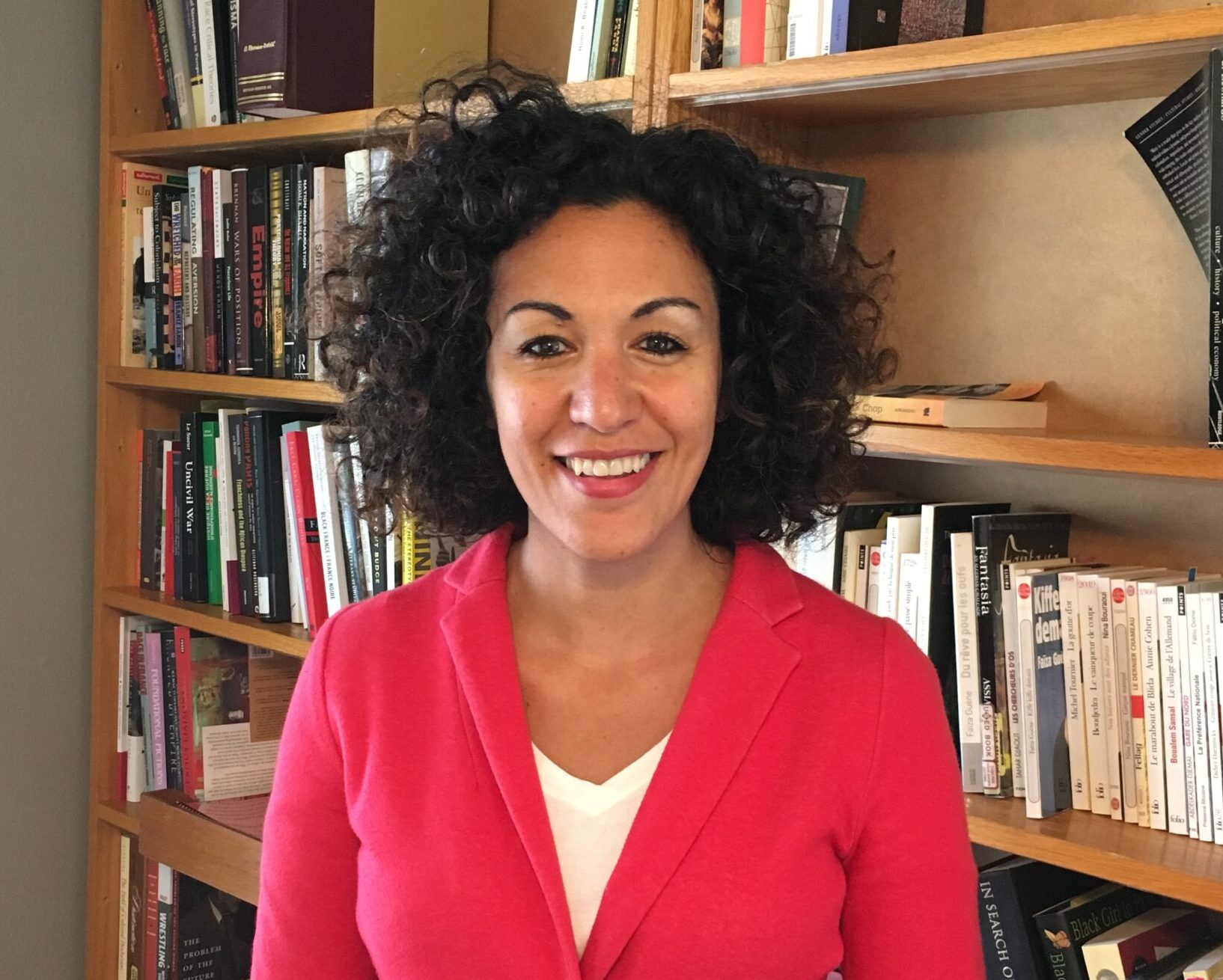
Dr. Laila Amine is professor of English at the University of Wisconsin–Madison, where she specializes in African American transnationalism, the African diaspora, and postcolonial studies. Her essays have appeared in American Literature, African American Review,and College Literature. She is the author of Postcolonial Paris: Fictions of Intimacy in the City of Light (University of Wisconsin Press, 2018) and is currently completing a monograph on exile in African American literature after World War II, supported by the Andrew W. Mellon Foundation, the American Academy in Berlin, the Schomburg Center for Research in Black Culture, and the National Endowment for the Humanities.
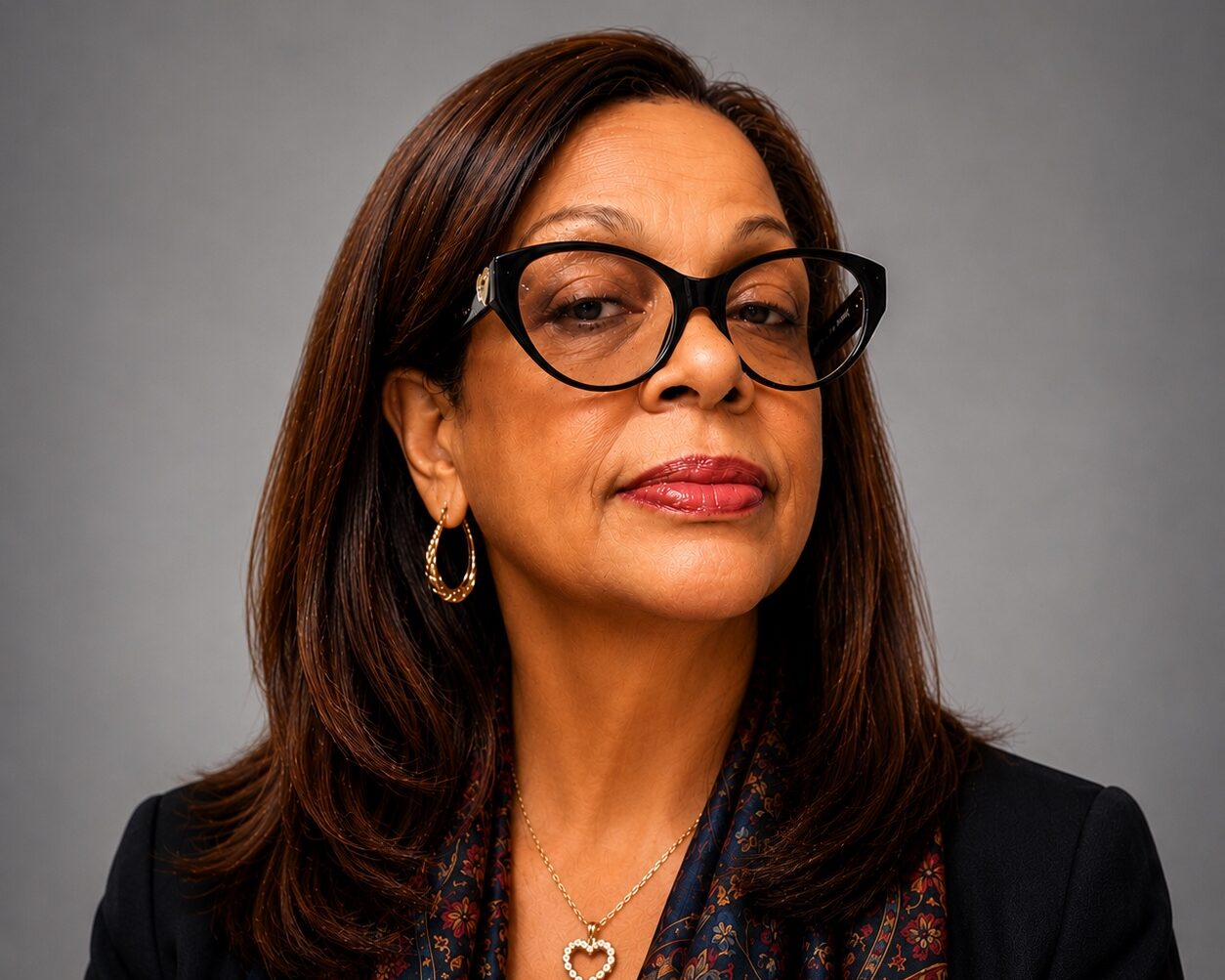
Rosemarie Peña, Ph.D., is a scholar of Black German Studies, transnational adoption, childhood, kinship, and diaspora, and founder and president of the Black German Heritage and Research Association (BGHRA), based in Africana Studies at Rutgers University–Camden. A member of the postwar generation of Black German transnational adoptees, she brings lived experience into dialogue with interdisciplinary scholarship, archival practice, and public humanities. Her background in social work and developmental psychology, including work with traumatized youth, informs her child-centered approach.
Peña earned her Ph.D. and M.A. in Childhood Studies from Rutgers–Camden and bachelor’s degrees in Psychology and German. Her publications appear in Adoption & Culture, Genealogy, The SAGE Encyclopedia of Children and Childhood Studies, Adoption across Race and Nation, and Children of the Liberation.
Through BGHRA, Peña has produced nine international conferences, cultivated transatlantic networks, mentored students, and advanced knowledge of Black German history and culture. Her work centers adoptee narratives, rekinning, archival recovery, citizenship, and belonging, and includes developing A Special Collection on Black German and Adoption Studies at Rutgers–Camden’s Paul Robeson Library.
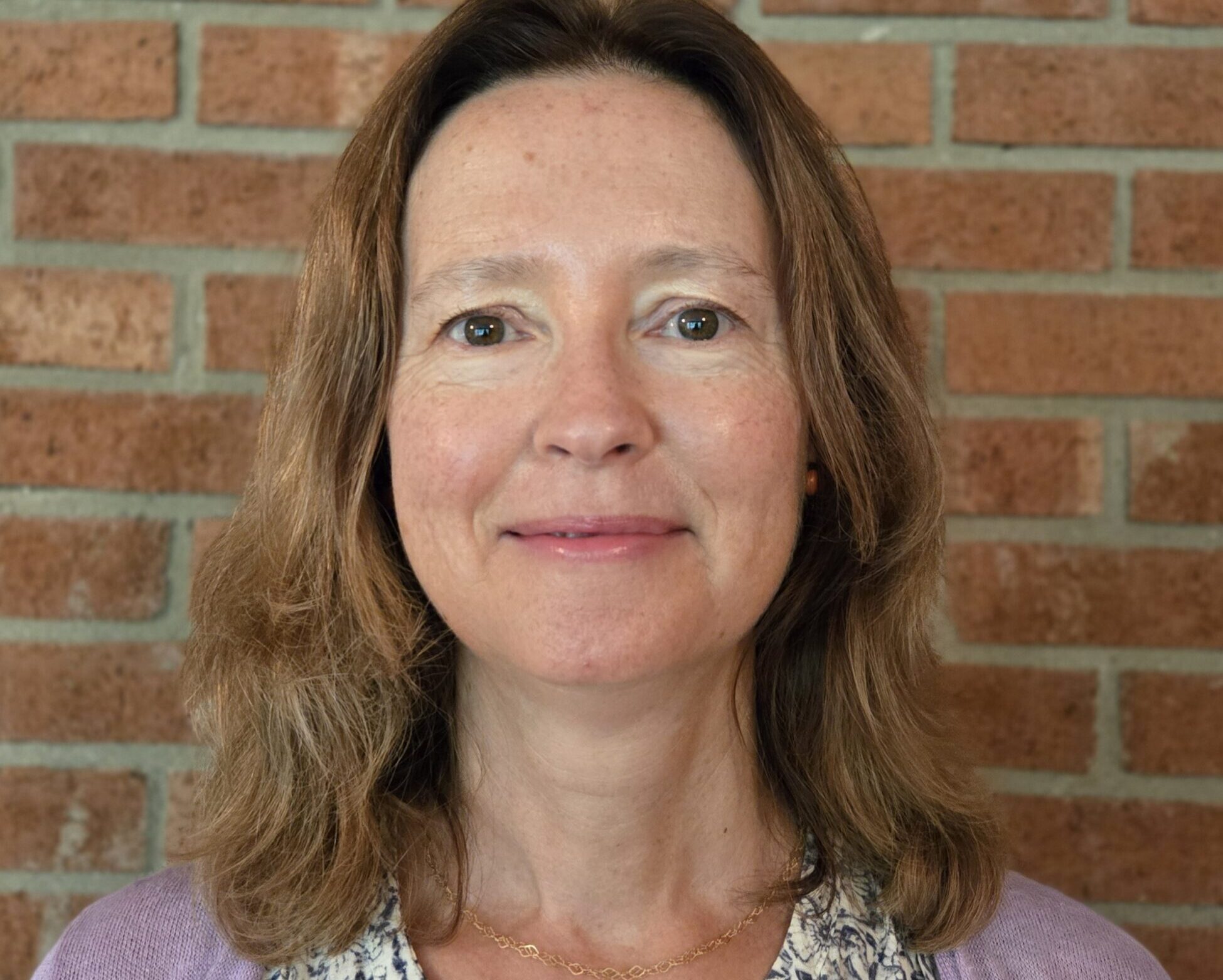
Julia Roos is an associate professor of modern European history at Indiana University—Bloomington whose research focuses on twentieth-century Germany, gender, race, propaganda, and children. She is the author of Weimar through the Lens of Gender: Prostitution Reform, Woman’s Emancipation, and German Democracy, 1919-1933 (University of Michigan Press, 2010); and editor of Historical Reflections/Réflexions historiques 52, no. 2 (summer 2026),special issue on “Reparations and Restitution: Comparative Perspectives on Austria, France, Germany, and the United States.” Her peer-reviewed articles have appeared in Central European History, German History, The Journal of the History of Sexuality, Holocaust and Genocide Studies, and elsewhere. She is currently completing a book manuscript entitled “Race and German Identity: Biracial Descendants of Military Occupation, 1920-1970” (under contract with Cambridge University Press). The study traces two generations of German descendants of Allied soldiers of color to examine continuities and realignments in, as well as international influences on, German understandings of the relationship between race and national belonging.
This event is generously supported by the: Department of African American Studies, George L. Mosse Program in History, War in Society and Culture Program, Center for German and European Studies, Department of History, African Cultural Studies, German, Nordic, Slavic+ Department, German Unit, and the Anonymous Fund.